Cherylann Mollan reports on a little museum in Mumbai that tells the history and traditions of an ancient people, the Parsis: the Framji Dadabhoy Alpaiwalla Museum.
You can step into the Alpaiwalla Museum virtually by watching the YouTube video below, where Purva Chitnis, assistant editor of The Print, interviews Kerman Fatakia, the curator of the museum, who offers a guided tour of the main exhibits in the museum. This video can be watched with machine-generated subtitles, which may prove helpful for those C1 students and above who are less familiar with Indian English:
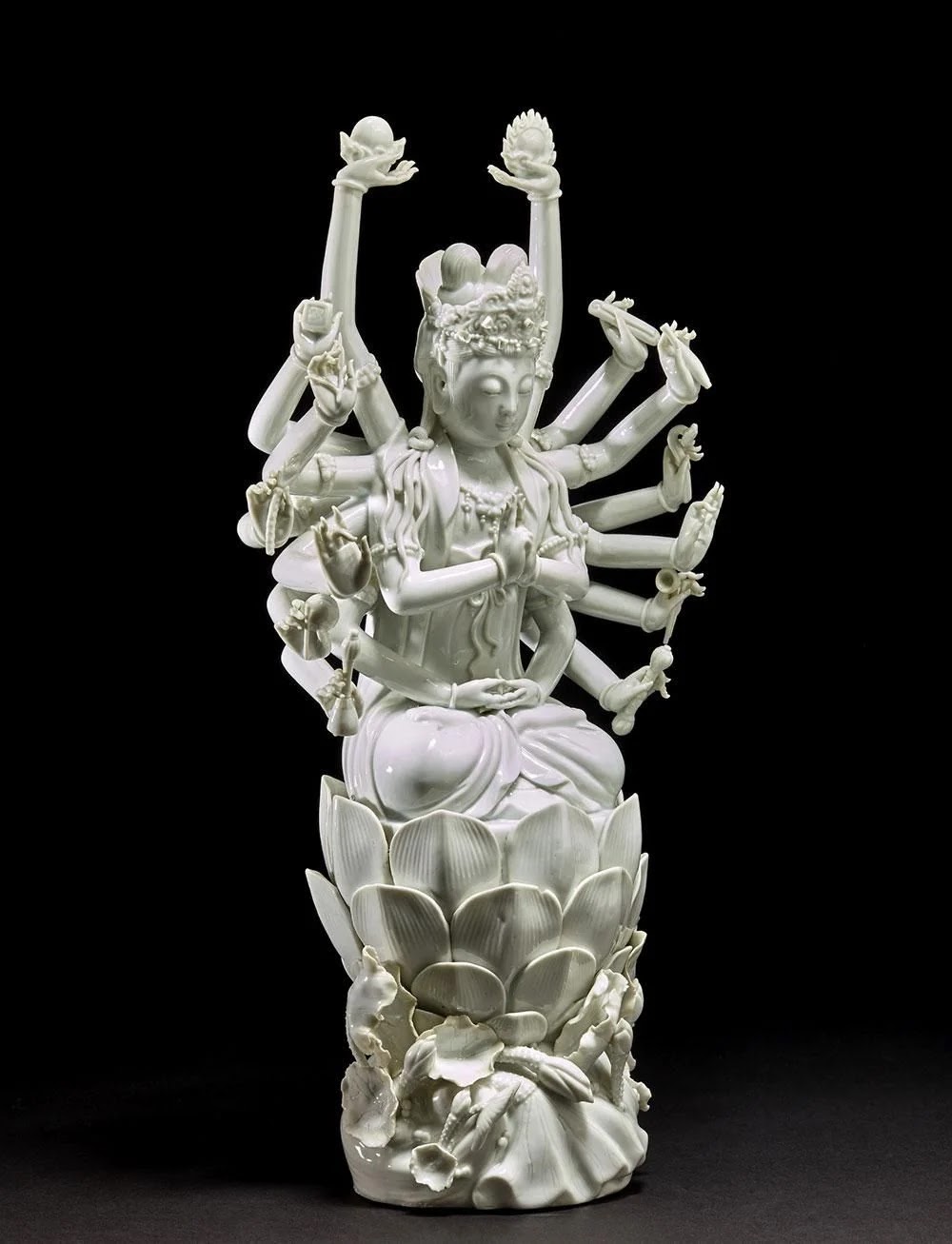
The exhibition is a 5,000-year, cross-cultural stroll that shows the visitor how femininity has been perceived and represented by different faiths, mythologies and cultures across the world, often in contradictory terms: how women have been worshiped as the embodiment of protection, fertility, purity, gentleness and modesty, but often the very same goddesses have been feared as the epitomes of destruction, vengefulness, lust and wrath. Gender fluidity is also showcased in the exhibit, with artifacts of ancient non-binary deities, who display male and female sexual attributes and can transform into different animals to connect to mortals.
The British Museum published a number of helpful guides for the teachers and students who are planning to visit "Feminine Power: the Devine to the Demonic", as well as comments by high-profile collaborators like Mary Beard, Elisabeth Day, Bonnie Greer, Rabbia Siddique and Deborah Francis-White, or by current religious communities, like the Bengali Hindu London Durgostav Committee (LDC), or the pagan Children of Artemis. This kaleidoscope of opinions and materials will certainly sharpen the visitors' eyes to spot crucial details in the figures, and, hopefully, may open their minds to ideas beyond accepted beliefs and truths to prompt meaningful conversations with their companions. Personally, I would stongly recommend watching a long video with subtitles below (01:11:43) "The curators introduction to the exhibition" -or at least parts of it- where Belinda Crerar and Lucy Dahlsen discuss the artistic and cultural significance of the highlights of the exhibition (note: in "Veneradas y Temidas", the exhibit touring Spain, Kiki Smith's Lilith 1994, has been substituted by Zanele Muholi's Somnyana IV 2015 etc., and John William Waterhouse's Circe Offering the Cup to Ulysses 1891, has not come to Spain).
Three major emerging countries have held general elections recently: South-Africa, Mexico and India.
India is the largest democracy in the world and the current 2024 elections have taken place in seven consecutive phases, starting from April 19 to June 1 to elect the 543 members of the Lok Sabha, the House of the People. There are two major coalitions vying for power, the right-wing NDA, lead by the Bharatiya Janata Party (BJP), and the multi-party INDIA alliance, led by the Indian National Congress (INC). Election results are being declared on June 4th, you can follow the tally on "Lok Sabha Election Results", a web page in The Times of India, which includes a short video (3:12) "Lok Jabha Elections 2024: BJP, INDIA Bloc Chase Kingmakers's Nitish Kumar, Chandrababu Naidu",
In South Africa a new era began after the African National Congress (ANC) lost its overall majority for the first time in 30 years. The ANC won 40.2% of the vote, down from 58% in the pervious election, and it will have to negotiate a coalition government with other parties, which opens an unprecedented political scenario since democracy started with Nelson Mandela's presidency after apartheid. Mohammed Haddad writes a comprehensive account of the vote in South Africa election results. What happens next?" for Aljazeera, which could be accessible to B2 students and above with
If you need some background information about South Africa, you can read Damian Zane's, Dorothy Otieno & Olaniyi Adebimpe's article "South Africa in eight charts ahead of crucial vote", published in BBC News on May 22, where C1 students and above will come across key words like: